
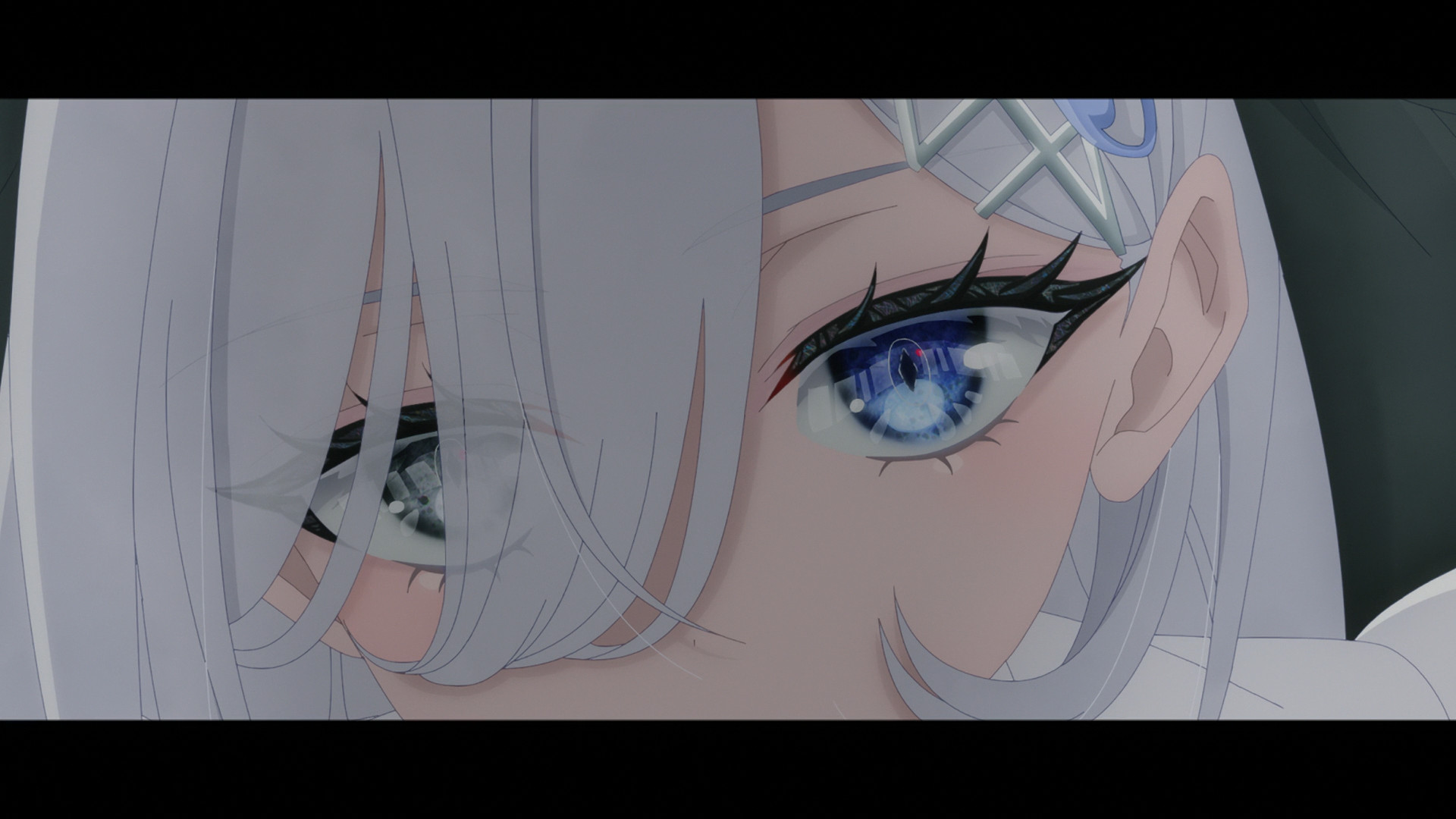
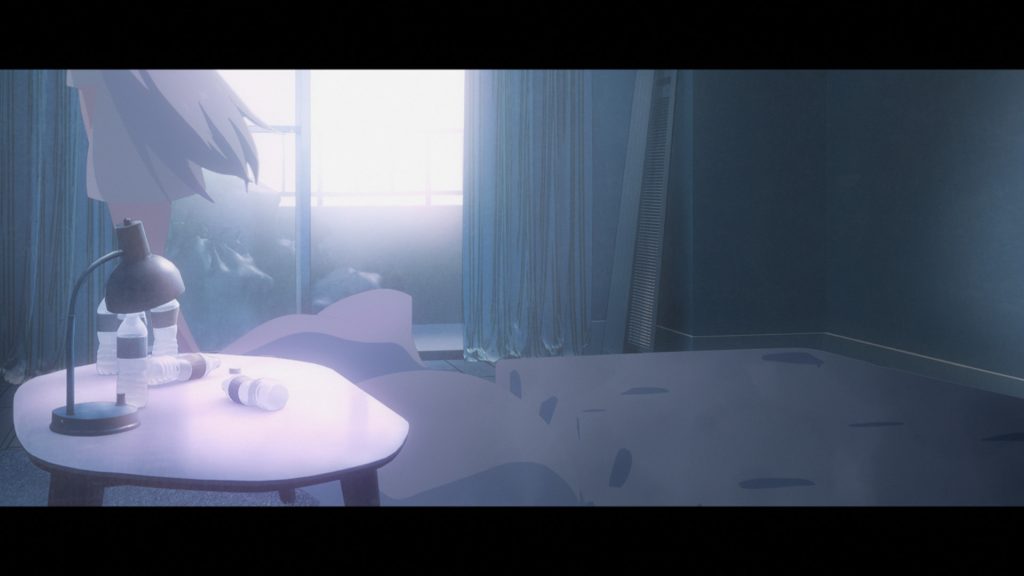
Lately I’ve been so busy that I’ve mostly stuck to anime adapted from source material I already know, or, in the case of Gnosia, games I’ve already played over the last two seasons. But this season, I felt like I wanted to get into more new series, and the trailer for SHIBOYUGI: Playing Death Games to Put Food on the Table really caught my eye with its artsy style and paint-like visuals. The artwork simplifies the designs in certain shots (removing any defining features and making them a splotch of a silhouette), but paradoxically, it makes them much more visually interesting.
I’ve watched a decent amount of death game anime, but it’s a format I tend to prefer in games. So when I started this anime, I wasn’t exactly sure how much I would enjoy it, though I knew it would be a fun visual experience. This expectation aside form the gorgeous trailer mostly comes from the director, Souta Ueno, whom you might know as the director of Days with My Stepsister. That series also featured a lot of creative direction and framing that made him stand out compared to most directors. After watching this 50-minute premiere of the death game anime, I think he has only become more artistic and experimental in his approach, so let’s just talk about it already.
The Start of the Games
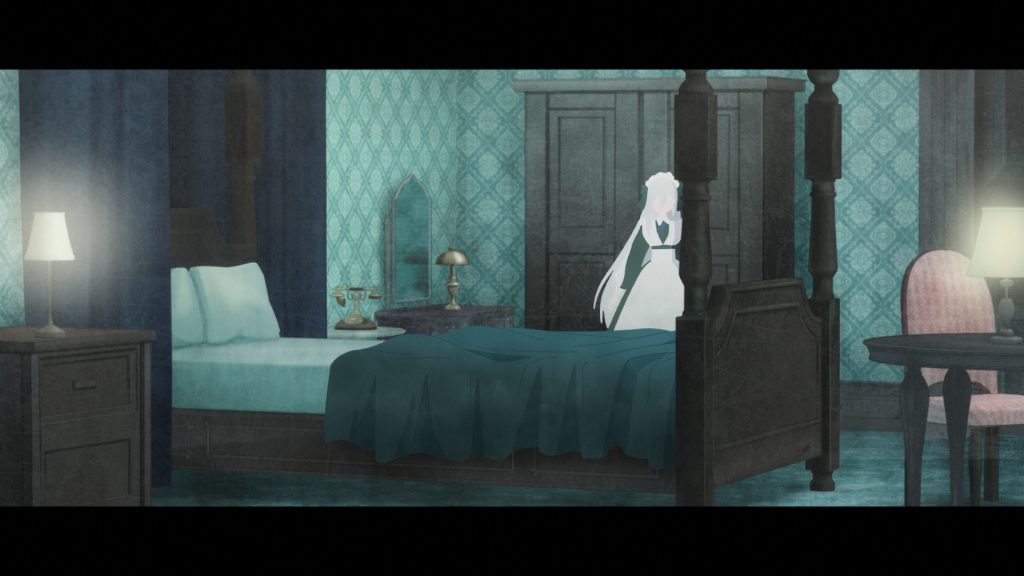
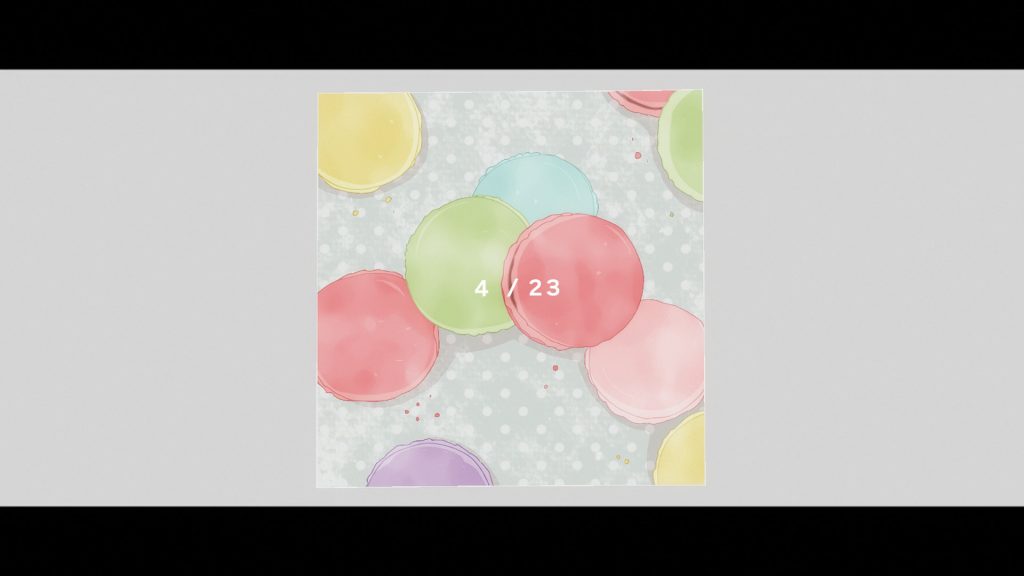
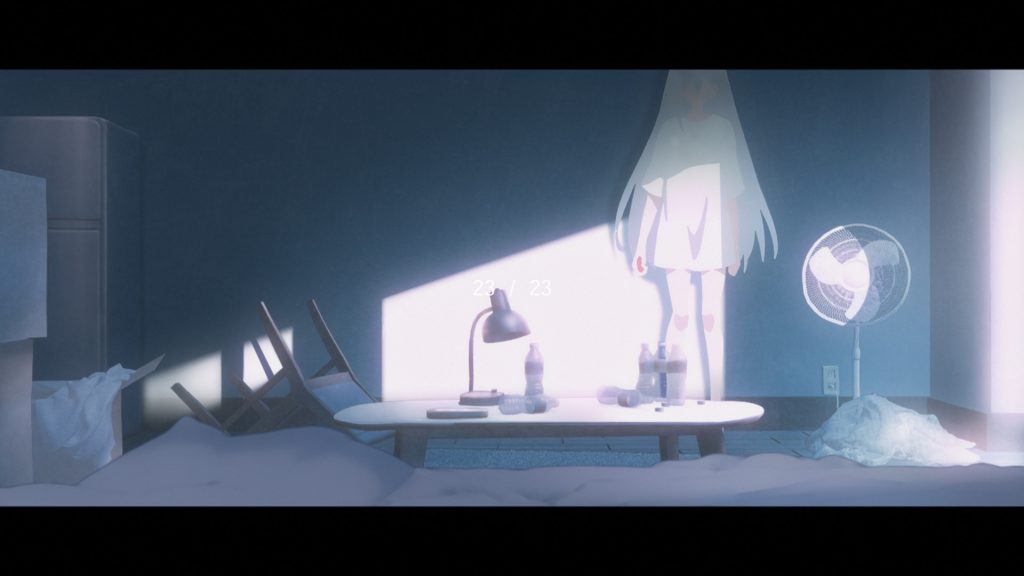
The series doesn’t provide much explanation for how we get to the death game. The main character simply wakes up and quickly realizes she’s in one, mostly because she and everyone else signed up for it. (There is one person who claims they didn’t, but not much information is given about that.) Unlike the others, our MC, Yuki Sorimachi, remains calm, since this is her 28th game. However, you do not learn that information until a bit later. Instead, we are shown distant shots of Yuki with a number slowly increasing out of 23.
It’s extremely quiet up until she meets up with the other girls. These shots quietly make you uncomfortable, putting you in a situation you don’t really understand. I think it also tries to frame us as one of the viewers who would watch what these girls end up suffering through. At one point, she even walks up to the camera and looks at us directly. The mysterious number that keeps going up throughout the episode never really gets explained either, but every time it increases, it gives this uneasy feeling, like it’s counting down to a death. It’s unsettling, which is a good way to describe the whole show, even though it’s really pretty to look at.
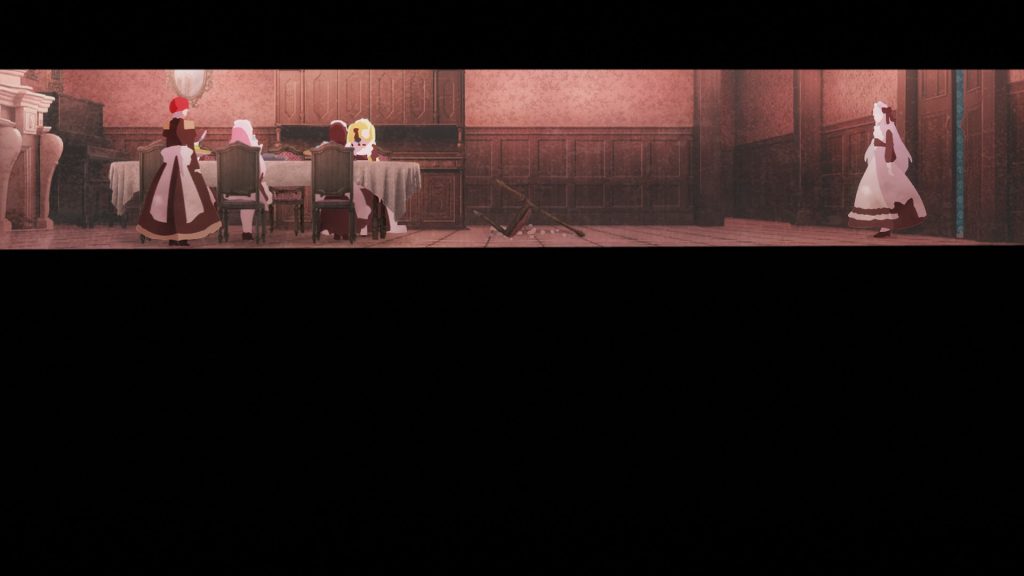
The pretty visuals continue when the girls meet up and talk among themselves. The colorful girls, literally with their hair too, and the macaron for example try to fake a sense of peace within this eerie intro. But with the number continuing to go up, you know something’s going to happen, and it does in a shockingly quick way. It’s not gory, it just happens, and that moment tells you the show isn’t going to mess around with your expectations. This is a death game and death will happen.
Helplessness
Throughout the episode, the characters are often shown from far away, with their features obscured and lacking clear linework, appearing more like blocks of color than people. I feel like this distance makes the viewer more detached from them and creates a voyeuristic feeling, as if we are watching something we should not be seeing. It feels wrong to observe them in this kind of situation. It might also be trying to show that the participants are treated as less than human, so they do not even get proper faces in the viewer’s eyes.
I don’t want to spoil much, but deaths obviously happen since it’s a death game, and one particular moment framed through Yuki’s dialogue was genuinely sickening. Her calm, almost inhuman way of processing the event, giving up on helping the others because it’s pointless and not worth the energy, contrasted with the tension, dread, and finally the blood curdling scream of the victim genuinely made me feel sick to my stomach. This is all accompanied by a beautiful heavenly sounding score. It’s a really unique feeling, especially since the visuals throughout are so beautiful. It’s a show with very little explicit gore that still manages to make your stomach turn.
I don’t recommend reading much more after this part if you haven’t seen it yourself. It’s a rough emotional watch, but if you can handle that, I think you have a great show on your hands so just go watch it. I will be getting into some spoilers, so consider this a warning.
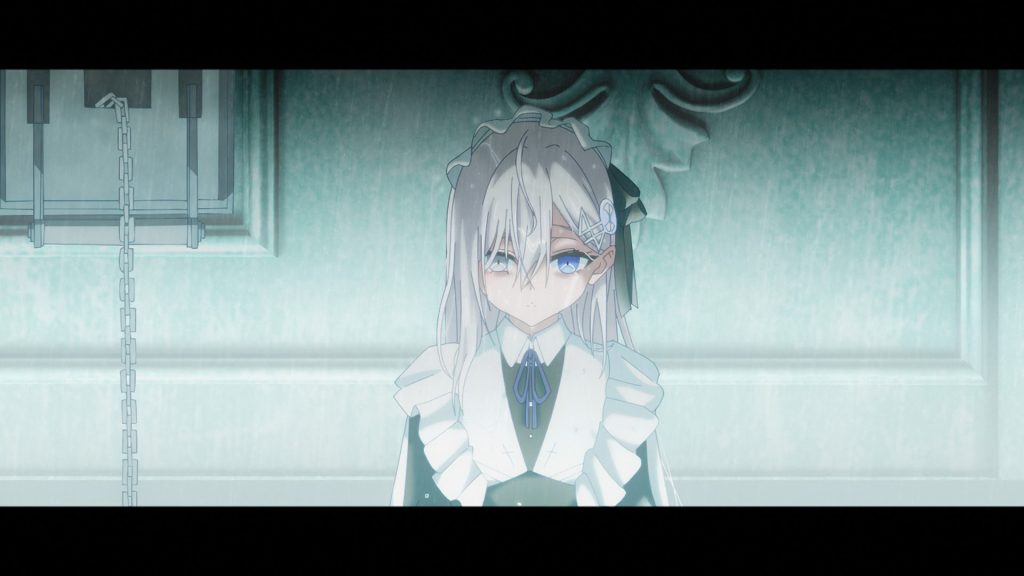
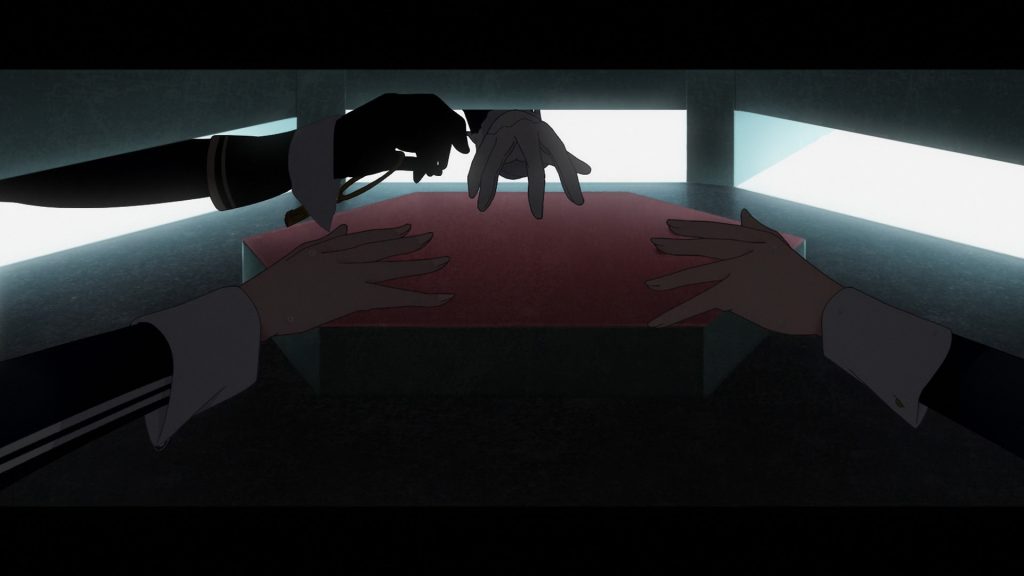
Death Game Player (Spoilers Ahead)
Just as though you might be expecting the game to be ending soon and that there won’t be any more pain, the show decides to pull another trigger. Kinko, who is ashamed that she survived rather than Aoi, who died a blood curdlingly terrible death, tries to kill herself, with the other two participants not caring much as now they don’t have to cut off their limbs (a weight limit on the elevator does not allow all of them to pass). However, Yuki manages to convince the others not to leave Kinko behind and brings her up with the rest of them.
Finally a peaceful ending, and these poor girls can relax… or so we thought. Only three people could exit out of this game. One of the four has to die. And so just like that, the girl that Yuki has formed the most connection with, Kinko, was killed in a swift manner by Yuki herself and the three of them “won” the game. Yuki simply did it because she was the one closest in proximity to her. In many other series, Yuki might have killed the more selfish players like Monono, but Yuki didn’t take the players’ actions into consideration; she simply did it to survive and “win” the game. It was a situation she did just because it had to be done.
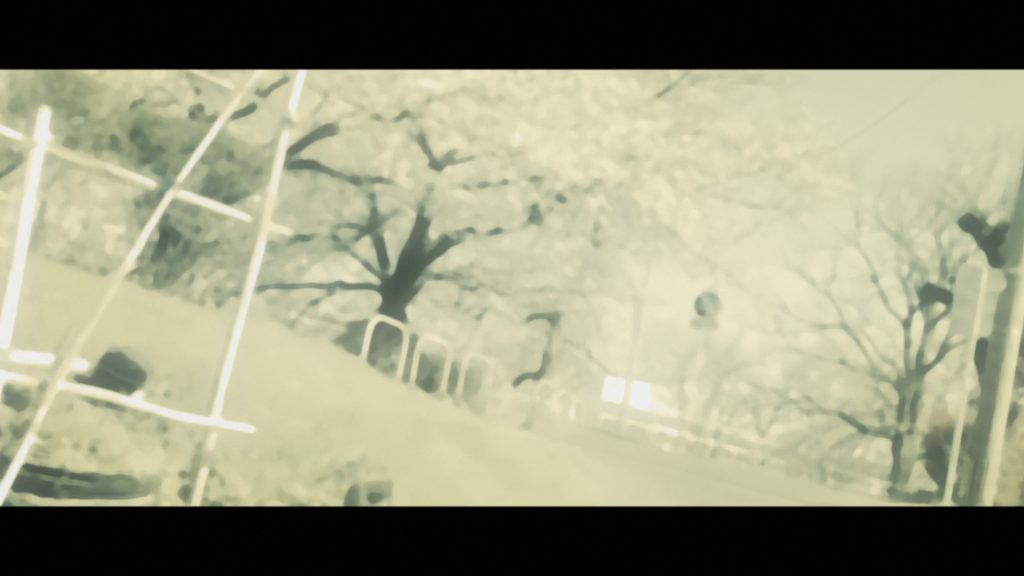
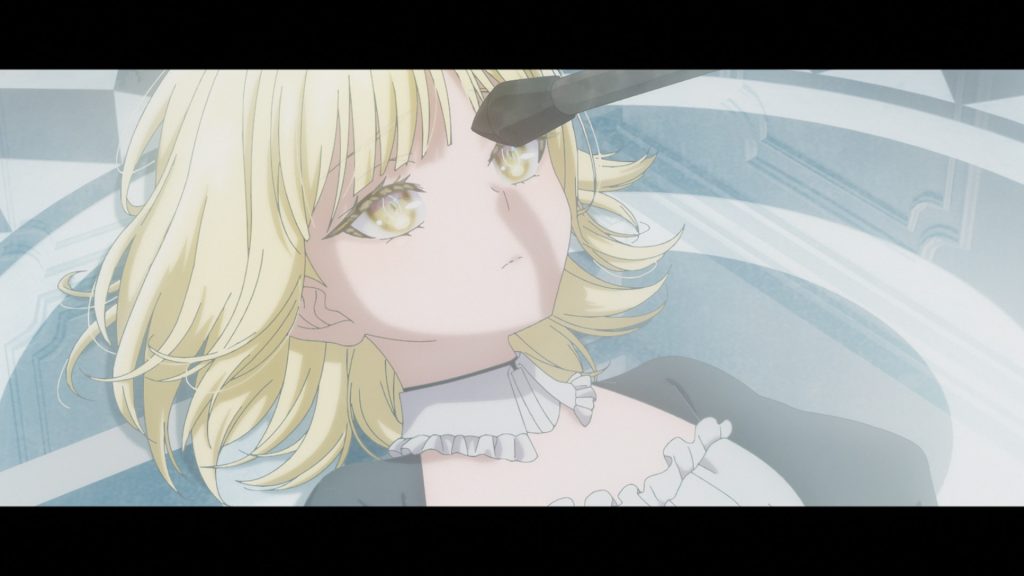
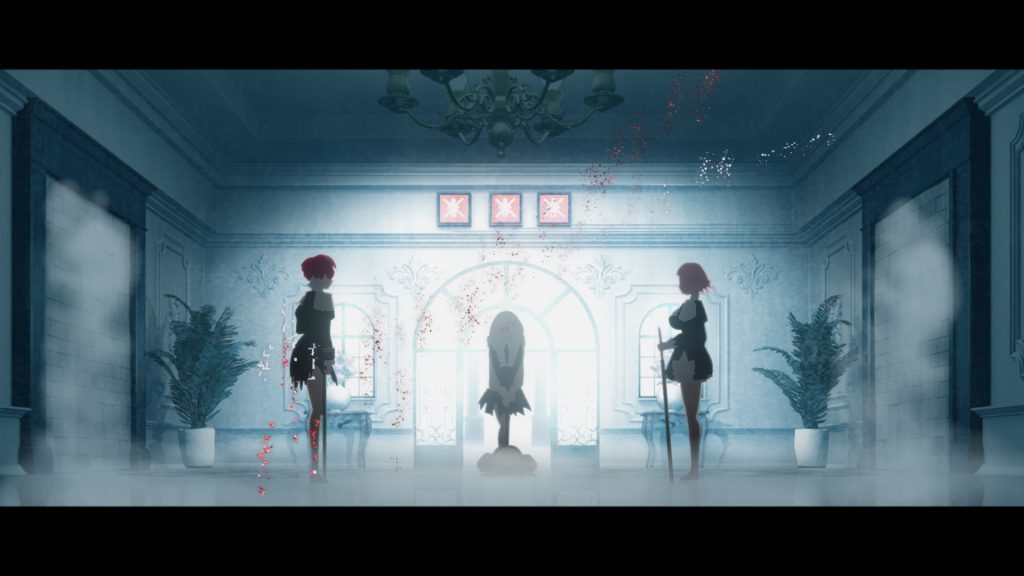
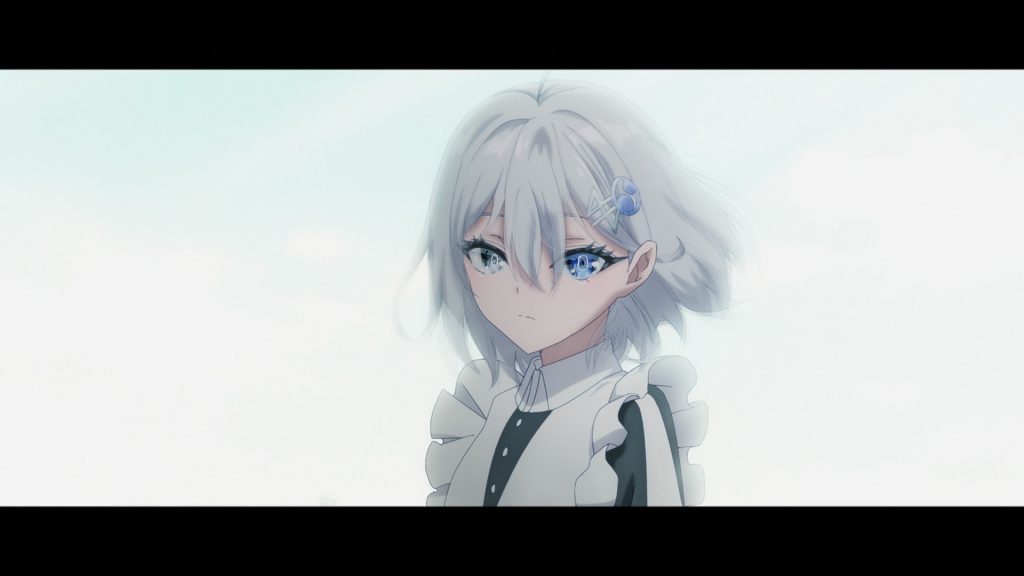
And as soon as the deed is done, the door opens and we get a rather detached narration from Yuki, who starts to describe the environment and herself in almost third person. This isn’t the first time she does this either, as she did the same during the game in which Aoi died, becoming detached and creating a narration in her head that seems to justify her lack of action or concern for the situation. She describes the environment and feeling of the game being beaten, accompanied by an old school sounding western song, though she does make a short apology to Kinko because after all the game is over now.
The rest of the outro continues her narration, rather than sinking into deeper thoughts about Kinko. That “sorry” was simply it; we move on to mundane topics like how she missed trash day once she woke up at home and being at her apartment. Though she’s not completely heartless, she spent a whole three minutes thinking about the people who died afterwards.
Yuki
Again, I find it very notable how Yuki continues to describe her own actions in third person, yet also seems to try to defend herself as herself because “she had to.” Since the first time the second death happened, up to Kinko’s death, I’ve started to see Yuki’s eyes, which are two different colors, as almost two different aspects of her: the one who simply watches like us, the player, which is the one giving the narration, versus Yuki the death game player. Those are two aspects of her.
The narration emphasizes defending her actions, like saying Yuki (herself) does not see her actions as contradictory, like praying for the person she killed, the one she tried so hard to keep alive. Her narration says that Yuki does not see that as contradictory. I find this emphasis interesting, as it might be a subconscious way of her mind trying to justify her actions and the participants’ deaths in this game as just simple collateral. After all, her only goal is to win 99 death games, why we don’t know yet, and I highly doubt we’ll find out anytime soon.
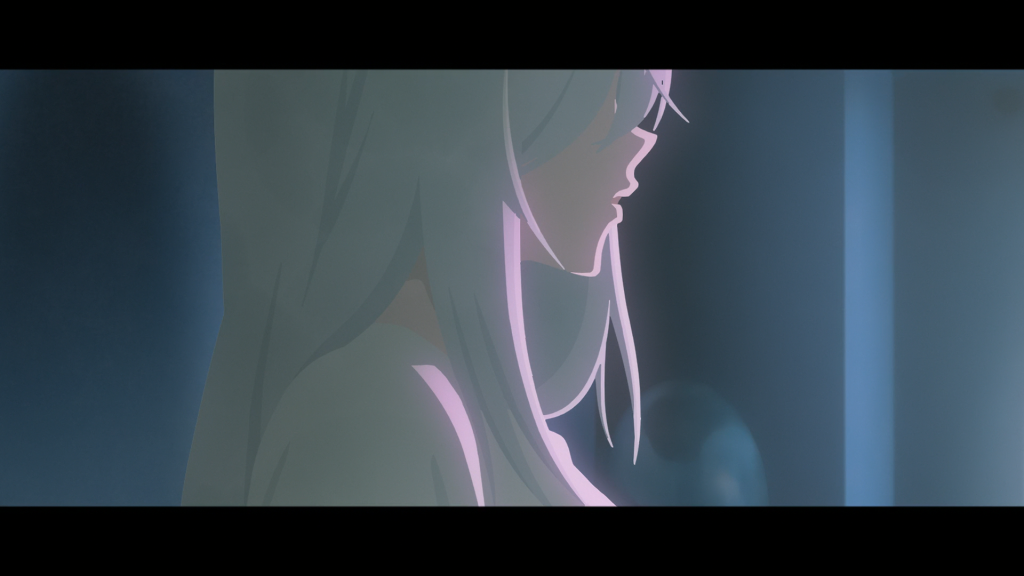
Now, I haven’t read this series, so I could be overanalyzing everything here, but I really like the tone and style this death game is going for. It’s a lot different from most death games we’ve seen. We don’t have a pure-hearted protagonist who wants to put an end to the games, and we don’t have some crazy mastermind pulling strings to their advantage. Yuki’s goal is as simple as it can be, at least so far; she just wants to beat 99 games. She’s not malicious, but she doesn’t hesitate to kill if that is the only solution, and unlike most protagonists, she doesn’t seem to consider her relationship with the person she chooses to kill. She’ll just kill the one closest to her physically, as it is the quickest choice.
The series’ representation of its visuals is paint-like, nice, and elegant, which contrasts with the brutal deaths happening throughout the scenes and how inhumane the whole thing is. It’s one of the boldest premiere episodes I’ve seen in a very long time, both in visuals and premise. While I don’t think it’s for everyone, I am fully on board with this artsy, beautiful, messed-up ride. I want to know what’s going on with the death games, why Yuki even wants to beat 99 games, and I want to learn about the outside world with its strange preservation technology. Even if the show fails to deliver on all of that in the future, Ueno’s directorial style is simply a standout, and I cannot take my eyes off it.
WRITER’S NOTE: This review was already quite dense since I had a lot to say, but the sound design and OST in general is amazing! I’ll try to write about episode 2 in a timely manner as well, so hopefully we’ll be able to discuss it more there, along with other things I didn’t mention. This episode had so much I wanted to cover, but I wasn’t able to describe everything as coherently as I wanted. I think once the episodes shift into the regular 20 minutes, I will hopefully be able to talk about everything I like in more detail. I promise a section on sound design and music will be included in episode 2’s review.
Leave a Reply